September 15, 2025
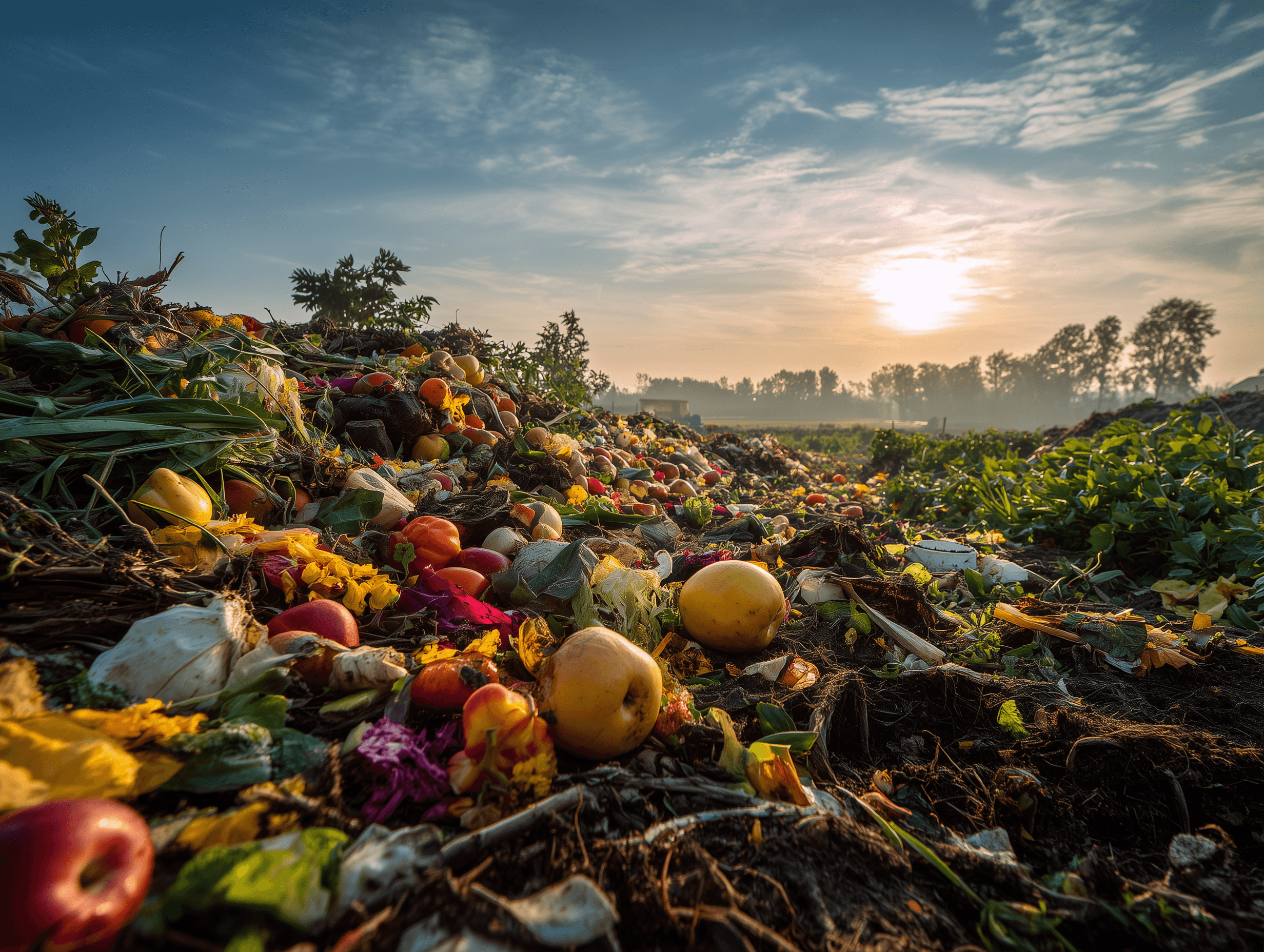
It harms the environment, the wallet, and the conscience: Food waste is a global issue that experts say could be significantly reduced or even completely avoided in many areas. Where most food waste occurs in this country – and what we all can do about it.
In Germany, 10.8 million tonnes of food end up in the trash every year, according to a report from the Federal Ministry of Agriculture and Nutrition.
The majority, 58 percent, is generated by private households, amounting to 6.3 million tonnes.
In second place is catering with 18 percent and 2 million tonnes.
Following this is processing at 15 percent, trade at 7 percent, and primary production at 2 percent.
We could avoid most of the food waste
Particularly alarming: Of the approximately 10.8 million tonnes of waste, the majority could be avoided. This is stated by the Worldwide Fund for Nature (WWF) in their report “Less is more – Avoiding food waste”. According to this, we could save a total of 8 million tonnes of food waste annually in this country.
How to reduce food waste
As an individual
If you notice that you frequently throw away food at home, you can make a significant contribution to sustainability with a few simple tips.
Plan and shop better
Creating shopping lists and meal plans helps to purchase realistic quantities that can be used up while still fresh.
Store food properly
When organizing your refrigerator, pay attention to the different temperature zones: Meat and fish should go at the bottom, dairy products in the middle, and leftovers at the top. Fruits and vegetables should also be stored separately, as apples and tomatoes can speed up the ripening of other produce.
Don’t fear expiration dates
The marking “Best before” doesn’t necessarily mean “bad after.” Check the appearance, smell, and taste to see if food is still good past its expiration date. You should only strictly adhere to expiration dates for particularly sensitive products like fish or meat.
Get creative
Use your leftovers for new, creative recipe ideas. Instead of throwing them away, cooked foods can also be frozen. If you want to actively save food, you can also use food-sharing apps like Too Good To Go.
As a business
According to WWF, about 35 percent of prepared food in out-of-home operations ends up in the trash. This could be avoided by businesses taking the following measures:
Measure and make food waste transparent
With various tracking methods and smart tools, like those offered by Delicious Data, food waste can be measured and made visible. Employees become aware of food waste and can monitor its development. This also makes waste sources visible.
Plan food usage better
As a second step, businesses can use their measurements to plan food usage better and more sustainably. They are supported by smart forecasts that tell them how much demand there will be for certain dishes, depending on the day of the week, weather, and events.
In addition, they can use smaller portion sizes or modular buffets – directly communicating the sustainability aspect to customers.
Reservation systems and pre-order models are another way to avoid overproduction.
Make efficient use of leftovers
Another method to reduce food waste: creative use of leftovers. Restaurateurs can prepare daily dishes from surplus ingredients. Alternatively, working with initiatives like “Too Good to Go” is worthwhile.
Curious? Schedule an appointment with us.

3 Steps to Reduce Food Waste in the Kitchen
Cooking too many portions and overloading plates: food waste in communal dining is a huge climate killer. On the other hand, those who reduce food waste act sustainably—and save time and money. Here's what measures cafeterias can take to achieve this.
December 8, 2025
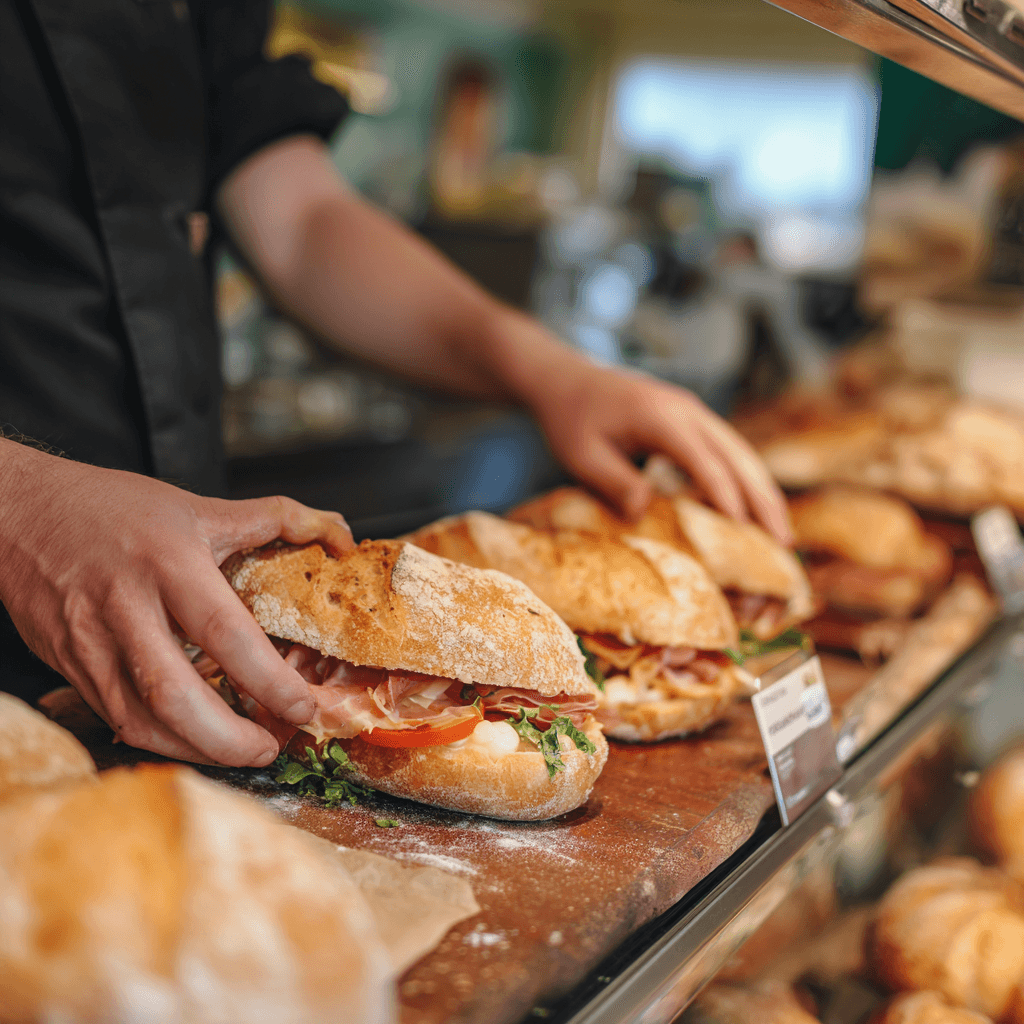
Too many returns? Bakers should change that now
Too many rolls? Not enough pretzels? A look at the display case at the end of the day shows that producing the right amount of baked goods every day isn't so simple. The challenge: enough sales, few returns - without selling out and having dissatisfied customers. How to succeed in this.
October 13, 2025
Everything You Need to Know About Food Waste
It harms the environment, our wallets, and our conscience: food waste is a global issue that, according to experts, could be significantly reduced or even completely avoided in many areas. Discover where the most food waste occurs in this country – and what we can all do about it.
September 15, 2025